Greetings from Gary Shogren!
Who are we? Every year we open a Facebook “club”, whose members can learn a new ancient language (we have done Biblical Aramaic, Latin) or read Scripture in the original languages (the whole Septuagint; the Torah; the Hebrew Poets and Latter Prophets; the New Testament, twice; also the Apostolic Fathers). For the coming year we unveil the Hebrew Bible Reading Group: the Historical Books, 2026. Go to the address https://www.facebook.com/groups/hebrewbiblehistoricalbooks2026/
Why the historical books? In looking over our group’s history, I noticed that these were the only books that we have never read. By covering them in 2026 we will have brought things full circle: the whole Hebrew canon, the entire Septuagint, and the Greek New Testament.
Our Goal: Download the schedule for reading the Former Prophets, that is, the historical books from the Nevi’im (the Former Prophets Joshua, Judges, Samuel [1-2], Kings [1-2]). As an option the participant can also read the historical books that are part of the Ketubim (Chronicles [1-2]; Ezra; Nehemiah; and from the Megillot subgroup, Ruth and Esther).
Why do we do what we do? It’s not enough to read a verse here or a verse there. To really get a feel for the Bible in the original, one should read extended texts, including full books!
Group dynamic. This is not a class. The group is not run by experts. We assume that you will monitor your own progress, and use the FB platform to give and receive encouragement and to raise the occasional linguistic question. It is not a theological platform for promoting a theological platform. Again, this is not a Hebrew class.
Group rules. When you apply to join the group, we will ask you if you have had at a minimum one year of Hebrew; and if you promise to abide by the rules about group etiquette.
Refresh your vocabulary ahead of time with Old Testament Hebrew Vocabulary! Audible.com has a recording and printed download of Hebrew vocabulary from 200 times and up.
Vocabulary on Quizlet. The free Quizlet app has a set of flash cards with all
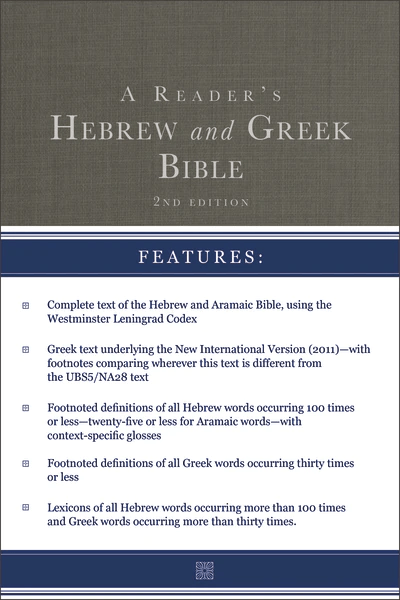
Recommended Text. We are blessed today by the existence of various “reader’s editions” of the Hebrew Scriptures. Zondervan’s A Reader’s Hebrew Bible ($62.99) helps the reader with lesser-known vocabulary: “Footnoted definitions of all Hebrew words occurring 100 times or less (twenty-five or less for Aramaic words.”). The United Bible Society has a similar version at a bargain, on sale at Amazon for only $34.98. Crossway and Hendrickson offer similar tools. (Note: Zondervan also offers a one-volume Hebrew and Greek Reader’s Bible, the second edition is for about $87 dollars). Of course, one could use Logos or other software. Recommendation: it’s best not to depend on an interlinear.
How much Hebrew do I need in order to participate? It is advisable to have one full year or more.
Difficulty Level. Here is one person’s list of the OT books, beginning with the easiest and ending with the hardest; his criterion is, how difficult is the level of vocabulary. The Former Prophets fall just about in the middle of the list; the Kethubim books are substantially more difficult.
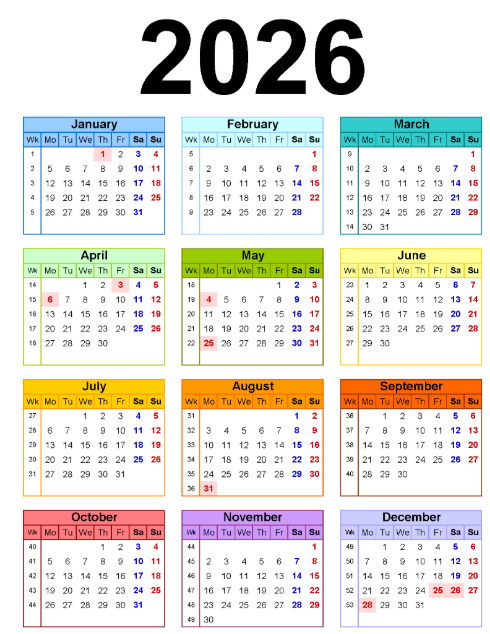
Our calendar. Not meant to be a burden, just a guide!
How much work is it? Perhaps 20-30 minutes per day if you have studied Hebrew in the past and if you polish up on your Hebrew before New Years.
To Join, go to Facebook: our page is under the name Hebrew Reading Group: the Historical Books, 2026; or click the address https://www.facebook.com/groups/hebrewbiblehistoricalbooks2026. Click LIKE in order to join. Then answer the required questions.
Other resources: I recommend the members use these:
Goodreads: if you use Goodreads, we have created entries for the books, using the names of the English canon. Look for the title and author for each book.
SEPTUAGINT (LXX). To read certain Septuagint texts in English translation. Read the Septuagint Bible w/ Apocrypha Free Online (biblestudytools.com). The book of Samuel (1-2) in particular has some variations between the Masoretic Text, Qumran, and the Septuagint: Goliath is a whopping 2.97 meters in the MT, but a merely very tall 2.06 meters according to Qumran and the Septuagint. The book of Joshua has two rescensions.
Schedule: We will begin January 1, 2026 (technically the week of 29 December) and run through the end of December, 2026.
“Join us as we read the Historical Books in Hebrew in 2026,” by Gary S. Shogren, Seminario ESEPA, San José, Costa Rica
SELF TEST: Take a look at Psalms 3 to gauge whether you can keep up:
1 מִזְמוֹר לְדָוִד בְּבָרְחוֹ מִפְּנֵי אַבְשָׁלוֹם בְּנוֹ׃
2 יְהוָה מָה־רַבּוּ צָרָי רַבִּים קָמִים עָלָי׃
3 רַבִּים אֹמְרִים לְנַפְשִׁי אֵין יְשׁוּעָתָה לּוֹ בֵאלֹהִים סֶלָה׃
4 וְאַתָּה יְהוָה מָגֵן בַּעֲדִי כְּבוֹדִי וּמֵרִים רֹאשִׁי׃
5 קוֹלִי אֶל־יְהוָה אֶקְרָא וַיַּעֲנֵנִי מֵהַר קָדְשׁוֹ סֶלָה׃
6 אֲנִי שָׁכַבְתִּי וָאִישָׁנָה הֱקִיצוֹתִי כִּי יְהוָה יִסְמְכֵנִי׃
7 לֹא־אִירָא מֵרִבְבוֹת עָם אֲשֶׁר סָבִיב שָׁתוּ עָלָי׃
8 קוּמָה יְהוָה הוֹשִׁיעֵנִי אֱלֹהַי כִּי־הִכִּיתָ אֶת־כָּל־אֹיְבַי לֶחִי שִׁנֵּי רְשָׁעִים שִׁבַּרְתָּ׃
9 לַיהוָה הַיְשׁוּעָה עַל־עַמְּךָ בִרְכָתֶךָ סֶּלָה׃
 Open Our Eyes, Lord!
What do you think?